Hitting the Bullseye
The Industry at a Glance
- Home to the Duck Hunting Capital of the World: Stuttgart, Arkansas
- 3rd in economic output per capita in the arms and ammunition industry (Source: National Shooting Sports Foundation)
- 3rd Most Gun-Friendly State (Source: Ammo.com)
- 3rd Largest Exporter of Firearms and Ammunitions in the U.S. (Source: Global Trade Atlas, 2023)
- 8 pro-gun bills passed into law during the 2023 legislative session
- $2.3B in economic output
INFRASTRUCTURE
- Three U.S. interstates connecting east and west coasts, and the Canada and Mexico borders
- 16,418 miles of state and U.S. Highways – 12th largest system in the U.S.
- Eight intermodal freight facilities with four riverports
- 2,542 miles of Class 1 rail systems
- #3 in the nation with 1,000 miles of inland, navigable waterways
- Approximately 100 public airports including Clinton National, Northwest Arkansas National, and close proximity to Memphis International and the Fed-Ex hub
Well-trained workforce
- 7th highest percentage of manufacturing employment (Source: Business Facilities)
- 1.36M skilled and trained workforce
- 12% of Arkansas’ workforce is employed in manufacturing
- 8,400+ people employed in the arms and ammunitions industry.
Business Climate in Arkansas
- #3 Least Expensive State for Starting a Small Business (Source: SimplifyLLC)
- #2 on the Cost of Living Index (Source: C2ER)
- 7th highest percentage of manufacturing employment (Source: Business Facilities)
EDUCATION
- 50 colleges, universities & 2-year colleges throughout Arkansas
- 2,100+ engineering degrees awarded each year
- 150k+ students enrolled at an Arkansas institution of higher learning
- Black River Technical College is 1 of only 11 accredited gunsmithing programs in the US – and the only institution connected to a law enforcement training academy.
- Ozarka College's Precision Machining program prepares students for a career in manufacturing, providing them with skills in manual machining and operation of CNC mills and lathes.
Firearms & Ammunition Industry
Executive Overview
Arkansas is Primed for Success
Home to the duck hunting capital of the world and the 3rd most gun-friendly state, Arkansas is the natural choice for firearms and ammunition companies to find success.
Watch MoreFrom the newsroom
LaCroix Precision Optics Expands in Batesville, Arkansas, Creating 107 New Jobs
LaCroix Precision Optics is expanding in Batesville, Arkansas, creating 107 new jobs.
ReadWhite River Energetics Expands in Des Arc, Creates 100 New Jobs
White River Energetics is expanding in Des Arc, creating 100 new jobs.
ReadAfter Meeting with Governor Sanders During Her European Trade Mission, Walther Announces $30M Expansion in Fort Smith, Arkansas
Walther is expanding in Fort Smith, Arkansas with a capital investment of up to $30 millio...
Readfrom the blog
Healthy Forests Part 1: How the Arkansas Wood Basket Escapes Wildfires
June 21, 2017One of the larger ongoing threats to our nation’s forests and to our timber industry is wildfire. The United States Forest Service (USFS) reports that each year, an average of more than 73,000 wildfires burn roughly 7 million acres of federal, tribal, state and private lands and more than 2,600 structures, and the costs of fighting these fires continue to grow. Some states fair better than others when it comes to wildfire. In a recent article by Forest2Market, Arkansas was listed with Kentucky as the only two states where the significant wildland fire potential outlook was below normal statewide for the month of June. Sustainable forest health in Arkansas is dependent upon our ability to protect and manage our forests. While wildfire is always a threat, in Arkansas, we are able to consistently minimize the risk of wildfire due to several factors.
First, Arkansas has a natural propensity to be wetter than many other states. On average, Arkansas receives 49.57 inches of rain per year according to U.S. Climate Data, compared to 30.21 inches for the United States (excluding Hawaii and Alaska). With above-average rainfall and the benefit of plentiful water in our lakes and rivers, Arkansas’ high humidity also helps to keep fires at bay. In fact, it is rare for Arkansas’ humidity to dip below 30 percent for more than a few days at a time. The high humidity and low winds make it difficult for fires to start and even more difficult for a wildfire to last through the night. The vertical relief of the beautiful Ouachita Mountains also helps contribute to our moist climate.
Another important factor, and one that we can control, is the ongoing responsible management of our forests. Arkansas has a long history of responsible use of our timber. This has created healthy, growing forests that, in turn, have contributed a great deal to the state, including clean air and water, recreation opportunities, outstanding wildlife habitat, and good incomes for our citizens. In Arkansas, 81 percent of our forestland is privately owned, and landowners have economic incentive to harvest timber sustainably. Through responsible timber harvesting and thoughtful regeneration methods, our forests are able to avoid the widespread disease and insect infestations that can and do contribute to wildfires. We have diverse forests of hardwoods and pine and, because of active thinning, harvesting, natural regeneration and replanting, we have trees (and forests) of various ages. The trees are not overcrowded and have room to grow. All of this contributes to the ongoing health of Arkansas’ forests, which cover over half (57%) of the state. In Arkansas, we understand that healthy, well-managed forests are much less likely to be destroyed by rampaging wildfire.









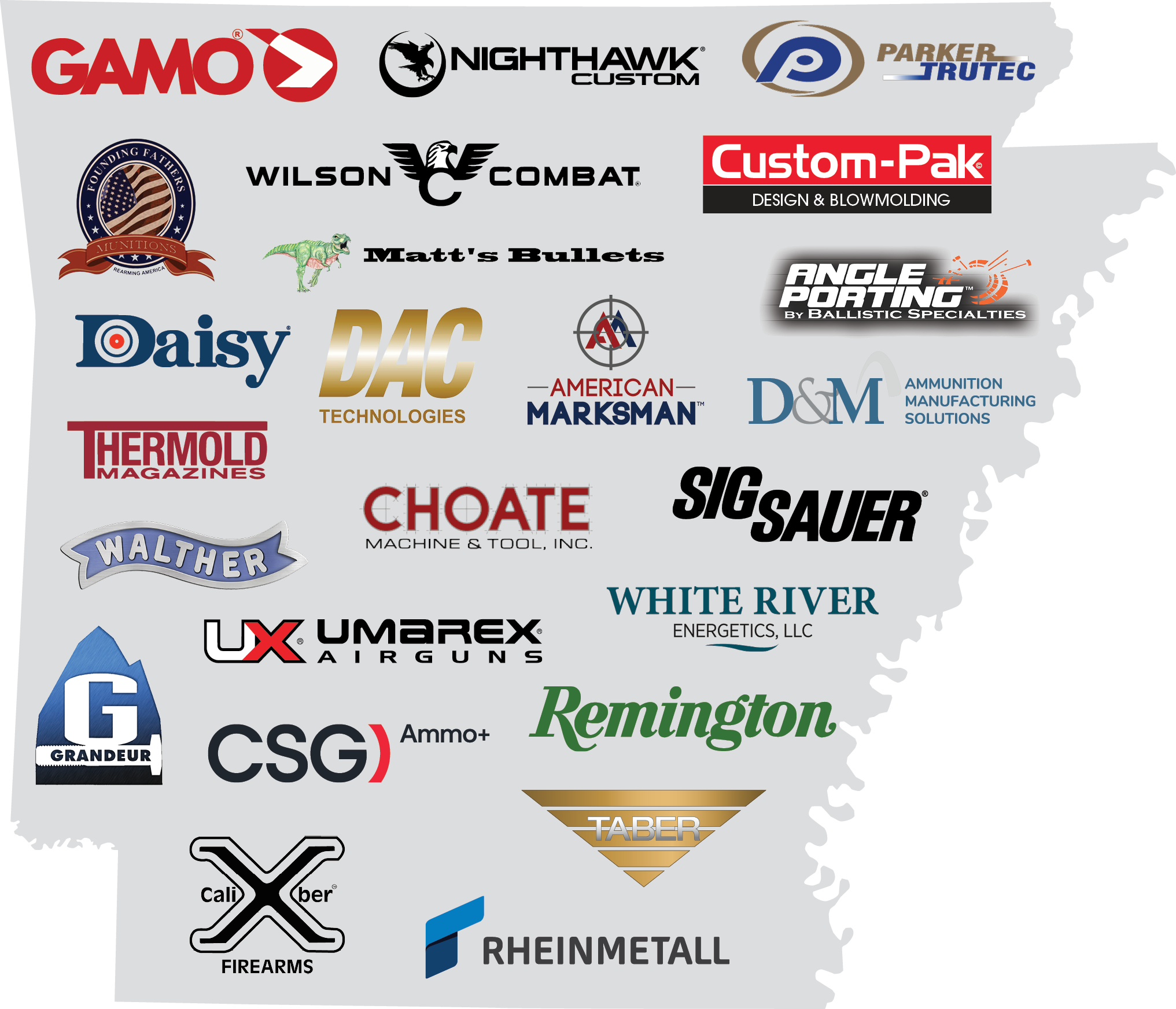
At AEDC, we know economic advancement doesn’t happen by accident. We work strategically with businesses and communities to create strong economic opportunities, making Arkansas the natural choice for success. Here are some examples of businesses that are thriving!






Arkansas offers a range of competitive incentives for businesses looking to open, expand or relocate.
