Hitting the Bullseye
The Industry at a Glance
- Home to the Duck Hunting Capital of the World: Stuttgart, Arkansas
- 3rd in economic output per capita in the arms and ammunition industry (Source: National Shooting Sports Foundation)
- 3rd Most Gun-Friendly State (Source: Ammo.com)
- 3rd Largest Exporter of Firearms and Ammunitions in the U.S. (Source: Global Trade Atlas, 2023)
- 8 pro-gun bills passed into law during the 2023 legislative session
- $2.3B in economic output
INFRASTRUCTURE
- Three U.S. interstates connecting east and west coasts, and the Canada and Mexico borders
- 16,418 miles of state and U.S. Highways – 12th largest system in the U.S.
- Eight intermodal freight facilities with four riverports
- 2,542 miles of Class 1 rail systems
- #3 in the nation with 1,000 miles of inland, navigable waterways
- Approximately 100 public airports including Clinton National, Northwest Arkansas National, and close proximity to Memphis International and the Fed-Ex hub
Well-trained workforce
- 7th highest percentage of manufacturing employment (Source: Business Facilities)
- 1.36M skilled and trained workforce
- 12% of Arkansas’ workforce is employed in manufacturing
- 8,400+ people employed in the arms and ammunitions industry.
Business Climate in Arkansas
- #3 Least Expensive State for Starting a Small Business (Source: SimplifyLLC)
- #2 on the Cost of Living Index (Source: C2ER)
- 7th highest percentage of manufacturing employment (Source: Business Facilities)
EDUCATION
- 50 colleges, universities & 2-year colleges throughout Arkansas
- 2,100+ engineering degrees awarded each year
- 150k+ students enrolled at an Arkansas institution of higher learning
- Black River Technical College is 1 of only 11 accredited gunsmithing programs in the US – and the only institution connected to a law enforcement training academy.
- Ozarka College's Precision Machining program prepares students for a career in manufacturing, providing them with skills in manual machining and operation of CNC mills and lathes.
Firearms & Ammunition Industry
Executive Overview
Arkansas is Primed for Success
Home to the duck hunting capital of the world and the 3rd most gun-friendly state, Arkansas is the natural choice for firearms and ammunition companies to find success.
Watch MoreFrom the newsroom
LaCroix Precision Optics Expands in Batesville, Arkansas, Creating 107 New Jobs
LaCroix Precision Optics is expanding in Batesville, Arkansas, creating 107 new jobs.
ReadWhite River Energetics Expands in Des Arc, Creates 100 New Jobs
White River Energetics is expanding in Des Arc, creating 100 new jobs.
ReadAfter Meeting with Governor Sanders During Her European Trade Mission, Walther Announces $30M Expansion in Fort Smith, Arkansas
Walther is expanding in Fort Smith, Arkansas with a capital investment of up to $30 millio...
Readfrom the blog
Three State Programs Designed to Strengthen Arkansas’ Workforce
March 23, 20181. The State Apprenticeship Office provides oversight to the more than 100 Department of Labor (DOL)-registered apprenticeship programs currently operating in Arkansas, as well as the Arkansas Apprenticeship Coordinating Steering Committee.
- The Apprenticeship office aims to grow the number of apprenticeships available in the state.
- As of February 1, 2018, Arkansas has more than 5,000 apprentices in programs.
- Fiscal year 2017 into 2018 saw significant growth, with an additional 1,700 apprentices, and the trend is expected to continue.
- Apprenticeships work for companies of all sizes and can provide employers with a pipeline of talent, loyal employees, and talent more likely to become supervisors within the organization.
- The State Apprenticeship Office receives $2.4 million annually to fund registered DOL apprenticeship programs. As the number of these programs continues to grow, additional funding may be necessary to support the increase.
2. The Secondary Technical Centers are designed to provide career and technical education programs in alignment with regional and state workforce priorities.
- The Centers work to prepare high school students to enter the workforce at the end of their senior year in high school, with industry-recognized certifications and credentials.
- The Centers also help those who are interested continue on into post-secondary education to attain higher certifications or degrees.
- Courses include computer engineering, advanced manufacturing, industrial maintenance technology, construction technology, medical professions and welding, among others.
- The courses are determined through feedback from companies and industries within the state, based on their most pressing workforce needs.
- The Secondary Technical Centers allow multiple high schools to send students for instruction and training in these program areas where students do not have access to them at their local school.
- There are currently 26 Secondary Technical Centers with 29 satellite locations and two pilot programs around the state.
- The goal is to be able to ensure that every high school student in Arkansas has access to a Secondary Technical Center.
3. The Workforce Training Grants Program’s goal is to strategically invest in all levels of the Arkansas workforce, raising education and skill levels to meet the needs of companies operating in Arkansas.
- There are four categories of grants offered to businesses:
- Skills Gap grants address a lack of a specific skill set in a given region, industry sector, or across the entire state.
- Customized Technical grants address the needs for industry-specific technical training tailored to a company, skill, or specialized piece of equipment.
- Professional Development grants help provide training applicable to a majority of employees or supervisors in topics such as leadership, conflict management, and teamwork professionalism.
- Grow Our Own grants address the needs of companies headquartered in Arkansas and have 250 or fewer full-time employees in the entire company.
- Available as incentives for both small and large businesses, employers may receive reimbursement for their trainings up to 75 percent, with the exception of the Professional Development category trainings, which are funded at $100 per hour or 50 percent of the cost of the training, whichever is least.
- In Fiscal Year 2017, 100 individual companies applied with a total of 185 grant proposals, of which 155 were approved.
- In FY 2017, $1,765,132 in funding was awarded to companies across the state.
- The goal for FY 2018 is to award $2,225,000, of which more than $1,630,000 has been awarded to 90 companies.







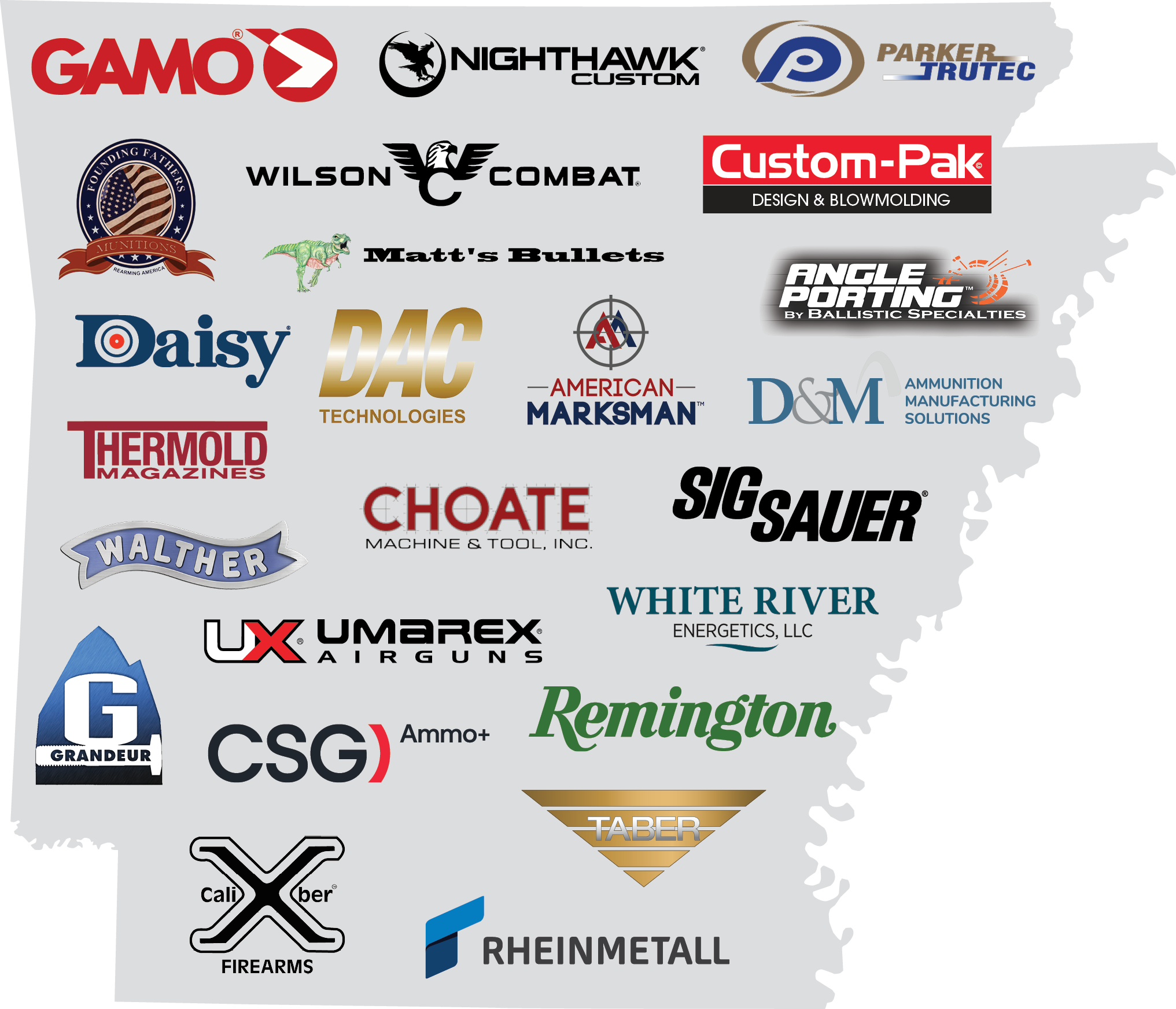
At AEDC, we know economic advancement doesn’t happen by accident. We work strategically with businesses and communities to create strong economic opportunities, making Arkansas the natural choice for success. Here are some examples of businesses that are thriving!





Arkansas offers a range of competitive incentives for businesses looking to open, expand or relocate.
